
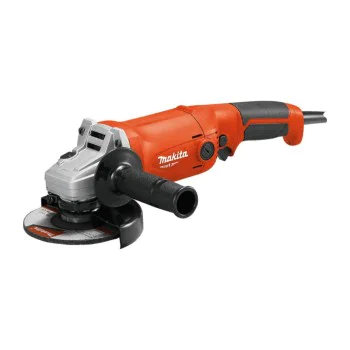
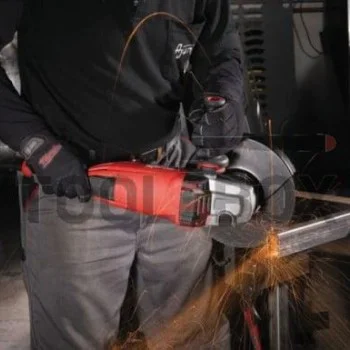
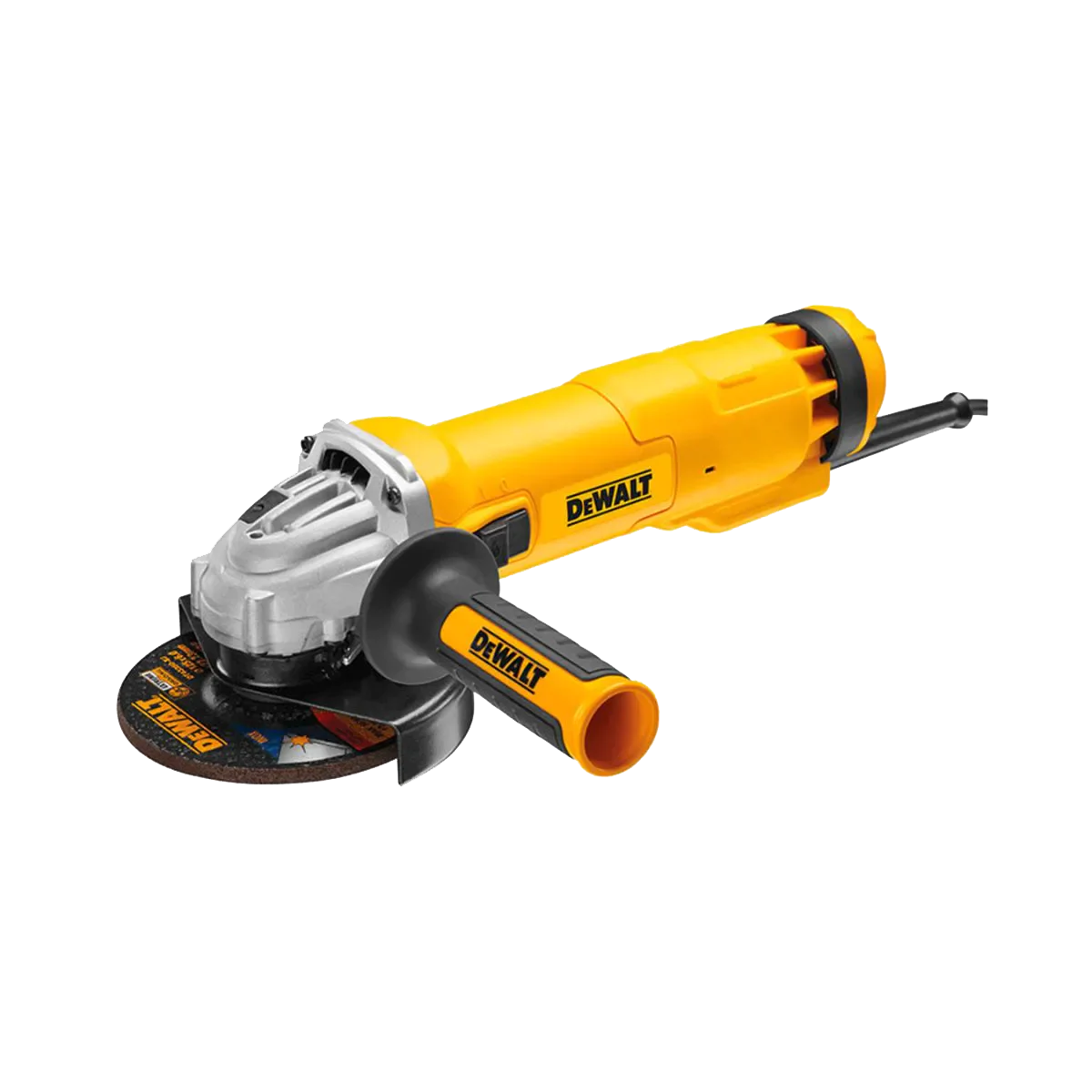
Angle grinders
Angle grinders for cutting, grinding, and working with hard materials
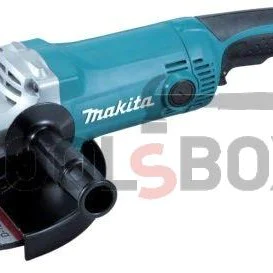
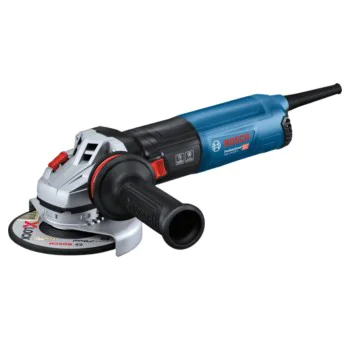
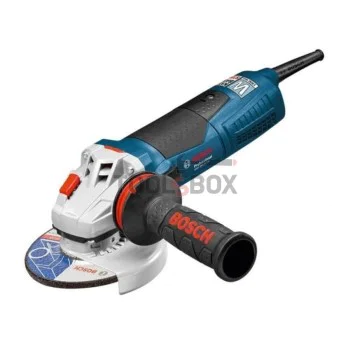
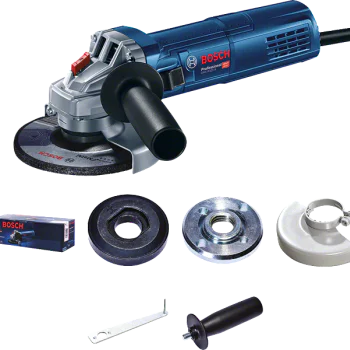
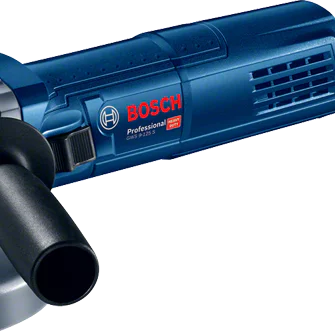
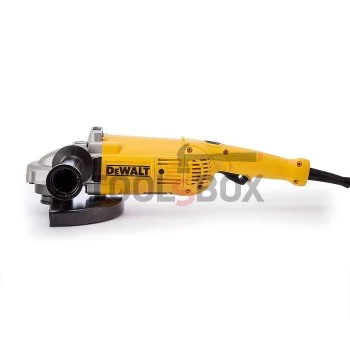
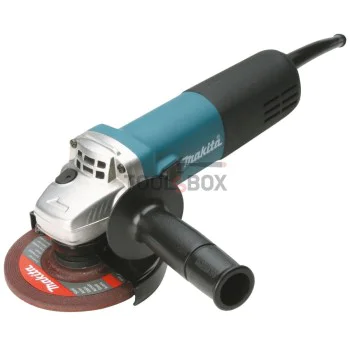
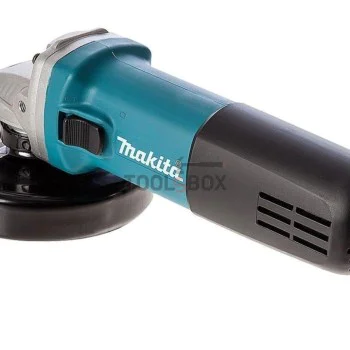
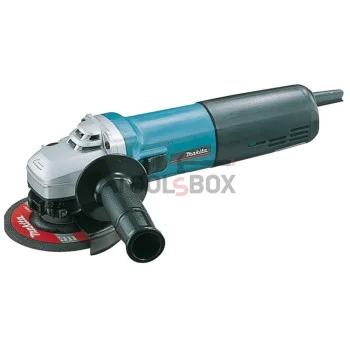
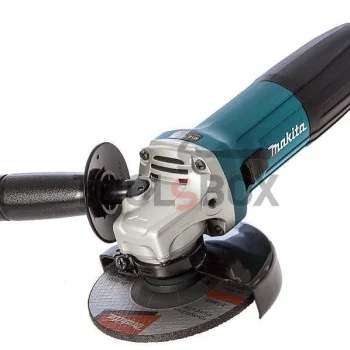
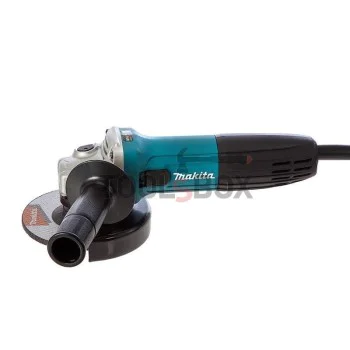
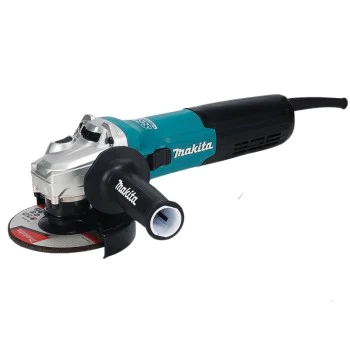
Angle grinders for metal, concrete, stone, tiles, bricks, and other hard materials are among the most practical hand-held power tools for workshops, construction sites, service centers, and home repairs. Also known as angle grinders, these machines operate with a rotating disc and allow for cutting, smoothing, rust removal, weld cleaning, surface preparation, and polishing. With the right accessories, an angle grinder can handle a wide range of tasks-from cutting bolts and metal profiles to shaping tiles or working on concrete elements.
As part of the grinder family, the angle grinder is characterized by high RPM, a compact design, and quick disc and accessory changes. When selecting a machine, factors such as disc diameter, power, power source, speed, weight, grip, safety guard, and available safety features are compared. This ensures the angle grinder is suited to the actual job-whether it's fine repair work, regular metal cutting, installation tasks, demolition, or heavy-duty processing of construction materials.
Types of angle grinders by power source and size
Corded angle grinders
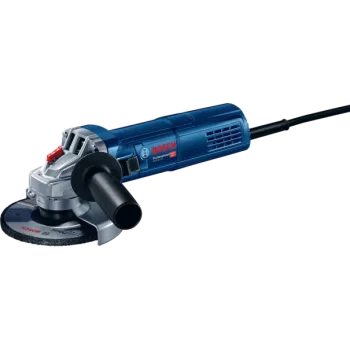
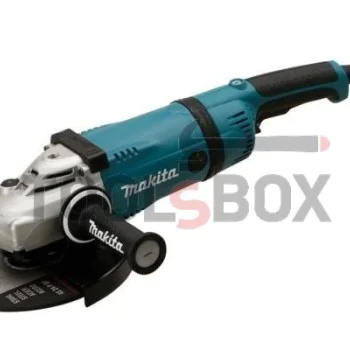
Corded angle grinders are powered by the electrical grid and are a good choice for prolonged tasks, serial cuts, and higher workloads. They are in demand for metalworking, construction, fence repair, pipe installations, metal structures, and service work. When working with a corded angle grinder, the work area must remain tidy, and the power cord must be kept away from the disc, sparks, and cut-off pieces.
Cordless angle grinders
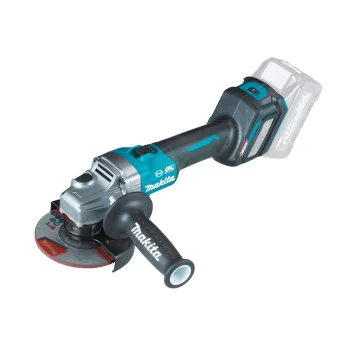
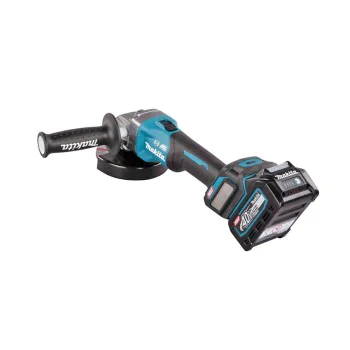
Cordless angle grinders provide freedom when working in the yard, on the roof, at a construction site, in the garage, or in a location without a power outlet. They are convenient for installers, technicians, field workers, and users who do not want extension cords around the work area. When choosing a cordless angle grinder, consider voltage, battery capacity, charging time, motor type, compatible batteries, and the availability of a spare battery for longer tasks.
Compact 115 mm and 125 mm models
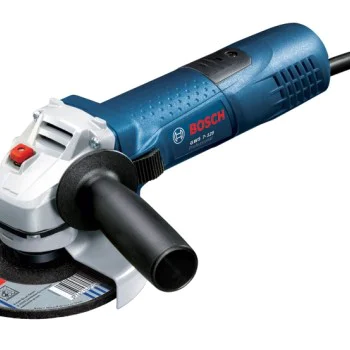
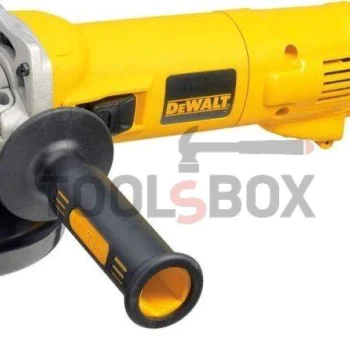
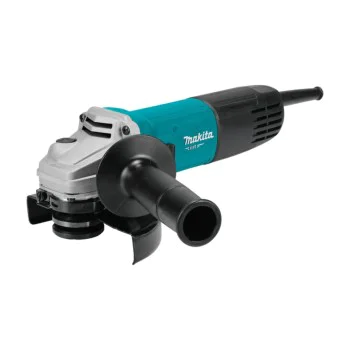
Angle grinders with 115 mm and 125 mm discs are easy to control and convenient in tight spaces. The 125 mm size is preferred for home workshops, installation, repair work, and cutting profiles, sheet metal, bolts, pipes, tiles, and small concrete elements. These machines are lighter than larger angle grinders, work with many types of discs, and offer good precision for light to medium-duty tasks.
230 mm angle grinders
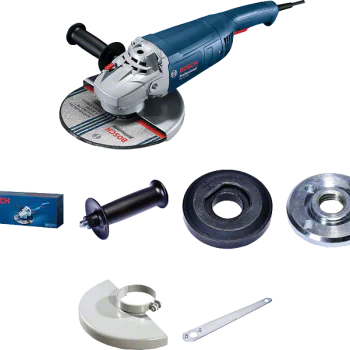
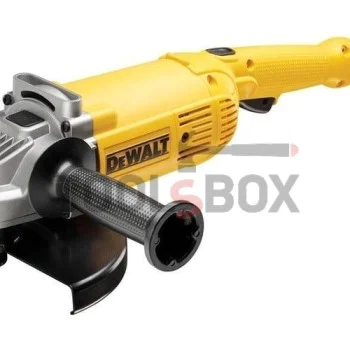
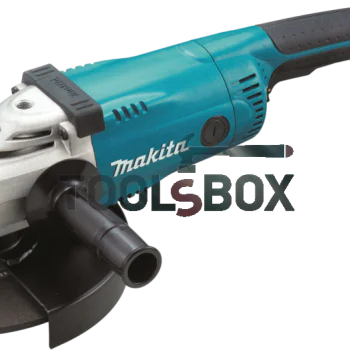
A 230 mm angle grinder is chosen for deep cuts, thick profiles, concrete, stone, pavers, bricks, large slabs, and demolition work. The large disc provides greater cutting depth, but the machine is heavier and requires a stable two-handed grip. When working with a 230 mm angle grinder, protective gear and proper body positioning are of particular importance, as the disc's inertia and load are significantly higher.
| Blade size | Typical application | Machine characteristics |
|---|---|---|
| 115 mm | Fine cuts, light repairs, work in tight spaces | Very compact and easy to control |
| 125 mm | Metal profiles, pipes, tiles, bolts, small concrete elements | Balance between control, power, and versatility |
| 230 mm | Concrete, stone, paving stones, thick metal, demolition | Heavier machine for deep cutting |
Criteria for choosing an angle grinder
The right angle grinder is selected based on the material, frequency of use, and required cutting depth. For light repairs and precision work, compact machines are more convenient, while concrete, stone, and solid metal require higher power and a larger disc.
- Disc diameter: 115 mm and 125 mm are for controlled work and standard repairs; 230 mm is for deeper cuts.
- Power: A more powerful machine maintains stable operation on hard materials and during prolonged use.
- Speed: Speed control is useful for polishing, wood, delicate surfaces, and various attachments.
- Power source: Corded machines are for continuous operation; cordless ones are for mobility and hard-to-reach areas.
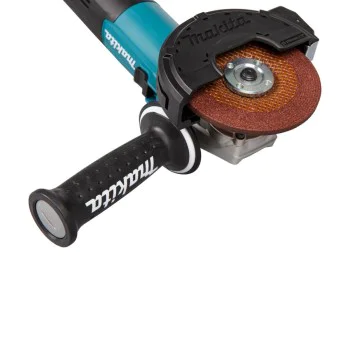
- Ergonomics: Weight, balance, body shape, and side handle affect control and fatigue.
- Safety features: soft start, restart protection, stall protection, a sturdy guard, and spindle lock enhance safety.
Blades, consumables, and accessories for angle grinders
The disc determines the final result and work safety. Its size must match the machine, and the specified maximum speed of the disc must not exceed the angle grinder's speed. An incorrectly selected disc can damage the material, overload the motor, or cause a dangerous jam.
- Metal cutting discs: for pipes, profiles, rebar, sheet metal, bolts, and fasteners.
- Diamond discs: for concrete, bricks, stone, tiles, porcelain tiles, and building materials.
- Grinding discs: for smoothing welds, removing material, and preparing surfaces before painting.
- Flap discs: for finer finishing of metal, wood, and edges.
- Wire brushes: for rust, old paint, scale, and rough cleaning of metal surfaces.
- Polishing attachments: for finishing metal, stone, and other hard surfaces at controlled speeds.
- Stands and dust collectors: for more stable cuts, less dust, and better repeatability when cutting.
Operation, Control, and Safety
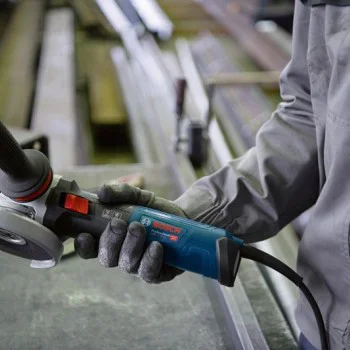
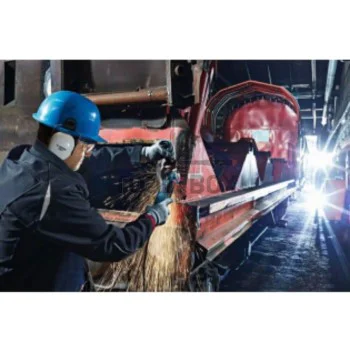
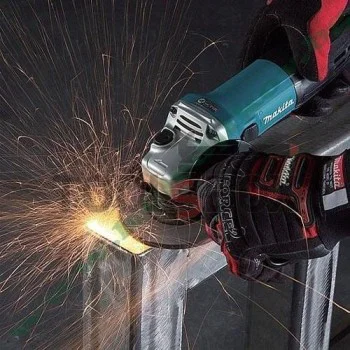
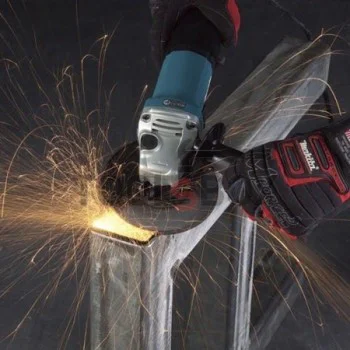
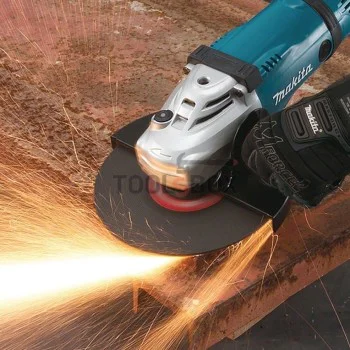
The angle grinder operates at high speeds and requires careful preparation. The material must be secured with clamps, a vise, or a stable support. Position the guard so that sparks and debris do not fly toward the operator. Hold the machine firmly with both hands, and keep your body out of the disc's path.
- Inspect the disc for cracks, wear, and deformation before use.
- Install the accessory according to the direction marked on it.
- Do not remove the guard and do not operate a damaged disc.
- Do not cut with a grinding disc or grind with the side of a cutting disc.
- Apply moderate pressure without twisting the machine into the cut.
- Wear safety goggles, gloves, a dust mask, ear protection, and sturdy shoes.
- Allow the disc to come to a complete stop before placing the machine on the workbench.
Maintenance of the angle grinder
Regular cleaning extends the machine's service life and protects the motor from overheating. After use, clean the housing, ventilation openings, and the area around the spindle of dust, chips, and abrasive particles. Inspect the flanges, nut, handle, guard, cable, or battery for visible damage.
Worn discs should be replaced in a timely manner, and the machine should be stored in a dry place, protected from dust and moisture. In the event of unusual vibrations, a burning smell, a drop in power, or noise from the gearbox, it is advisable to stop work and have the machine serviced.
Angle Grinders at Toolsbox.bg
At Toolsbox.bg, you'll find angle grinders for repair, installation, construction, metalworking, and maintenance-compact 125 mm models, powerful 230 mm machines, corded options, cordless angle grinders, discs, stands, dust collectors, wire brushes, and safety gear. Compare disc size, power, power source, RPM, weight, and safety features to choose a machine that suits the tasks in your workshop, job site, or home.